The Machine Made the Sale: Why Acommerce and Treatonomics Will Redefine British Retail in 2026

The future of retail isn't coming. It's already here, split into two parallel universes, and British brands are scrambling to exist in both.
In one universe, AI agents are browsing the web, comparing prices across 47 retailers in 2.3 seconds, negotiating terms with algorithms, and checking out without ever talking to a human. In the other, a 28-year-old London marketing manager walks into Selfridges at 4 p.m., bypasses the sale rack entirely, and spends £48 on a single coffee—because she's earned the ritual, and the ritual is the purchase.
These aren't contradictions. They're the architecture of 2026 retail. And both require your brand to think in completely new ways.
Acommerce: When Your Audience Isn't Human Anymore
Acommerce, or agentic commerce, is an era where AI agents autonomously browse, negotiate, and purchase on behalf of consumers. It shifts marketing focus from persuading humans to ensuring your products are eligible, legible, and trusted by the algorithms making the decisions.
Let that land for a moment. Your customer isn't a person. Your customer is code.
This isn't science fiction wearing a startup hoodie. 2025 was a breakout year for agentic commerce, with use cases expanding beyond limited prompt-and-response interfaces to task AI agents with carrying out tasks autonomously for shoppers. Digital Commerce 360 and in 2026, the stakes get higher.
Think about how you've historically won shelf space online. You've invested in photography, testimonials, search engine optimization, even micro-influencers reviewing your product on TikTok. All of that still matters. But it's no longer the primary audience.
As transactions become invisible, product data quality and integration with Agentic Commerce Protocols becomes "the new media buy." VML Translation: your product listing, the structured data, the taxonomy, the attributes, the specifications, is now your most important advertising channel.
Consider what happens when a customer tells ChatGPT, Gemini, or a new proprietary shopping agent: "I need a British heritage knitwear brand that sources ethically and ships within two days." The AI doesn't Google your brand. It doesn't visit your website. It interrogates your product database. Do your items have the ethical_sourcing attribute? Is shipping_days set correctly? Are your materials transparently categorized? Is your inventory real-time?
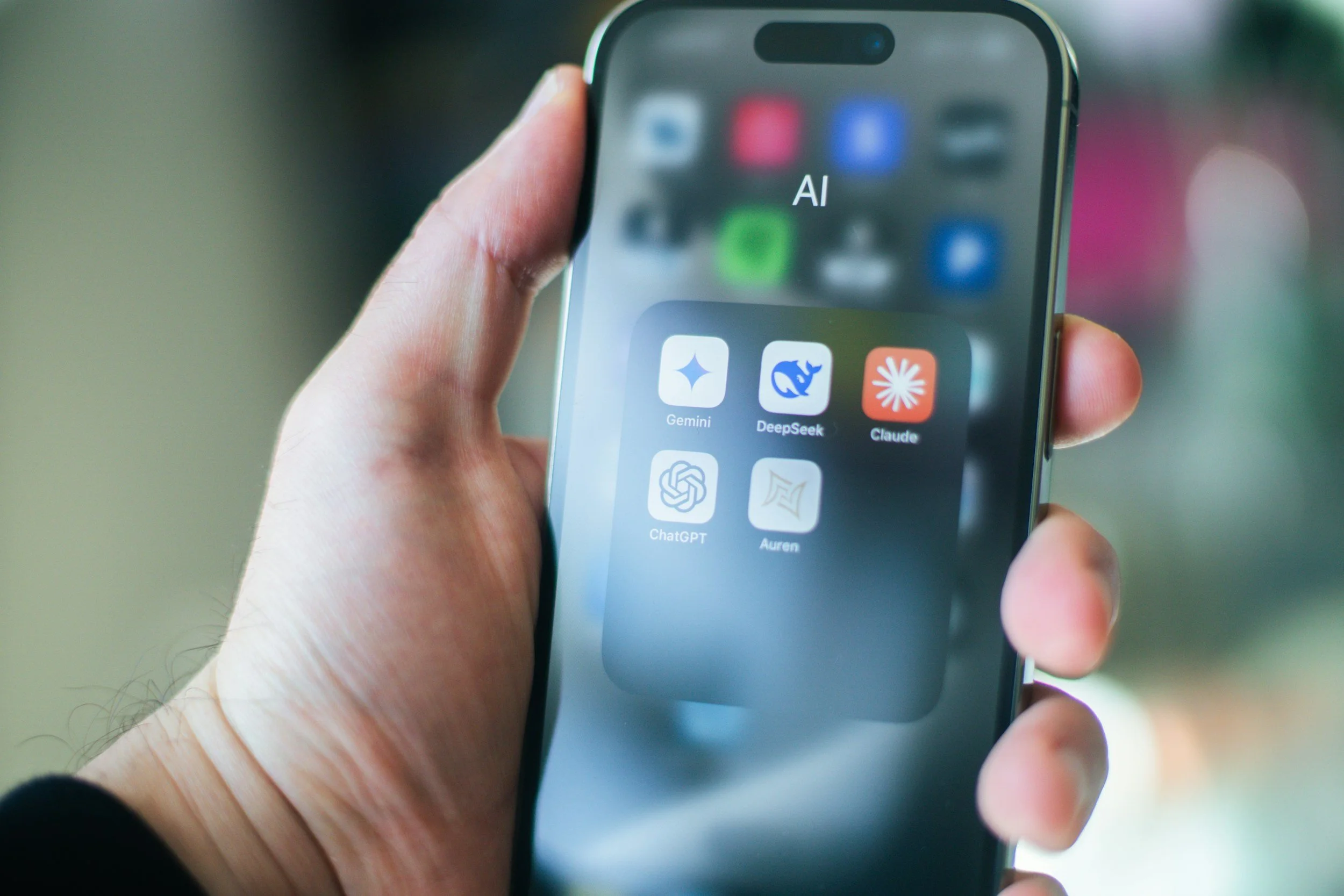
If not, you're invisible to the algorithm
For retail brands in the UK, this is a seismic shift. About one-third of U.S. consumers would let AI make purchases for them, and nearly a third have already used ChatGPT to assist in buying decisions. Akeneo Adoption is steep, and it's arriving in Europe faster than many expect. Heritage brands like yours, with rich product stories and authentic craftsmanship are particularly vulnerable to invisibility, because algorithms can't "feel" your narrative. They can only read your data.
The three moves for Acommerce:
First: audit your product data across all channels. Every attribute, every specification, every category tag must be complete, consistent, and machine-readable. This isn't busywork. It's survival.
Second: invest in what Daniel Reid of Similarweb calls "orchestration, not intensity."
VML You can't compete on buying frequency with fast-fashion giants. You compete by ensuring your products are legible, trustworthy, and available at the moment the algorithm is deciding.
Third: accept that AI visibility doesn't scale your brand. AI visibility ≠ brand scale: niche and specialist brands are equally visible to AI as large enterprises. VML This is good news for you. It means your heritage, your story, your values, when properly encoded into product data, become advantages, not liabilities.a wants.
Treatonomics: When the Indulgence Becomes the Strategy
While algorithms govern the invisible transaction, humans are rewriting the rules of why they buy.
Gen Z is adopting what analysts describe as "Treatonomics"—a spending pattern centered on frequent, low-cost pleasures that deliver immediate satisfaction, reflecting economic uncertainty, rising living costs, and changing cultural definitions of success.
This isn't the lipstick effect repackaged. It's something deeper.
The lipstick effect—a concept from the Great Depression, popularized by Estée Lauder's Leonard Lauder, described how people buy a small indulgence when times are tough. A lipstick here, a lipstick there. It was escapism, tinged with shame. A secret vice disguised as practical spending.
Treatonomics is the opposite. Young people see 'treating' themselves not as a luxury, but as a necessity for staying grounded and finding joy in the wake of tough cultural and economic times. There's no shame. There's intentionality. It's emotional regulation reframed as self-care.
The numbers are staggering. 73% of Americans report feeling stressed about their personal finances. 62% of Americans indulge in small, affordable treats at least once a month, with 52% limiting their spending to $25 or less per purchase. 36% of respondents are willing to incur short-term debt to fund lifestyle enjoyments.
But here's what matters for retail: In fashion, this phenomenon is reflected in the rise of limited-edition capsules, premium accessories, and small, accessible pieces with a "luxury feel".
People are trading down on major purchases, the sofa, the holiday, the new wardrobe, and trading up obsessively on modest, emotionally charged items. Examples include aesthetic coffee drinks, limited-edition snacks, blind-box collectibles, and micro-luxury items that offer novelty rather than necessity.
For a heritage brand, this is an extraordinary opportunity. You already have the narrative. You already have the craft. The question is: can you productize the ritual?
A £48 coffee isn't a commodity. It's a permission slip. It's a moment to pause. It's proof that you matter enough to spend on. That's because "treating yourself to a small indulgence now and again" has become a philosophy , not a buying behavior

In the UK, the pattern is similar.
36 percent of consumers say they are willing to go into slight debt to treat themselves.
The three moves for Treatonomics
First: reframe your product lines around emotional density, not feature lists. What feeling does this product deliver? Is it a moment of pause? A symbol of you caring for yourself? A quiet assertion of taste? Brands must launch limited editions or mini collections at accessible price points, while still delivering a "premium" feel through design, packaging, and service.
Not everyone can buy the full collection. Everyone can buy the moment.
Second: tell the story of the ritual, not the product. Tell "treat yourself" stories linked to products, such as a perfect day off with scented candles and books, or gifting oneself a handmade item to celebrate a personal milestone. Ad content should evoke a strong sense of "I deserve this.
Third: make scarcity real. Limited-edition capsules, premium accessories, and small, accessible pieces with a "luxury feel" are the formats that work. Consumers in the treatonomics economy aren't afraid to spend on exclusivity. They're afraid of wasting money on things that don't matter.
The Convergence: The Invisible Transaction and the Felt Moment
Here's where it gets interesting. Acommerce and Treatonomics are happening simultaneously, but they operate on opposite frequencies. One is frictionless, invisible, algorithmic. The other is visceral, intentional, human. The winners in 2026 won't be brands that choose between them. They'll be brands that master both. Your product data must be flawless for machines. Your brand story must be irresistible for humans. Your supply chain must be efficient and trustworthy. Your pricing must feel like permission, not indulgence. Kantar notes that 24 percent of AI users already rely on an assistant for their product choices. Meanwhile, TikTok's "sweet little treat meme" has seen more than 23 million videos. Both are real. Both are growing. Both are your market. The retail landscape in 2026 isn't divided between digital and physical, online and in-store, rational and emotional. It's divided between brands that understand how to be legible to machines and desirable to humans, and everyone else. The machine made the sale. But the human decided you were worth the ritual. Make sure you're both.
That's 2026 retail.
At Odinin, we help brands navigate this inversion.
