The Heritage Paradox: Why Iconic Brands Are Building the Future's Most Immersive Malls
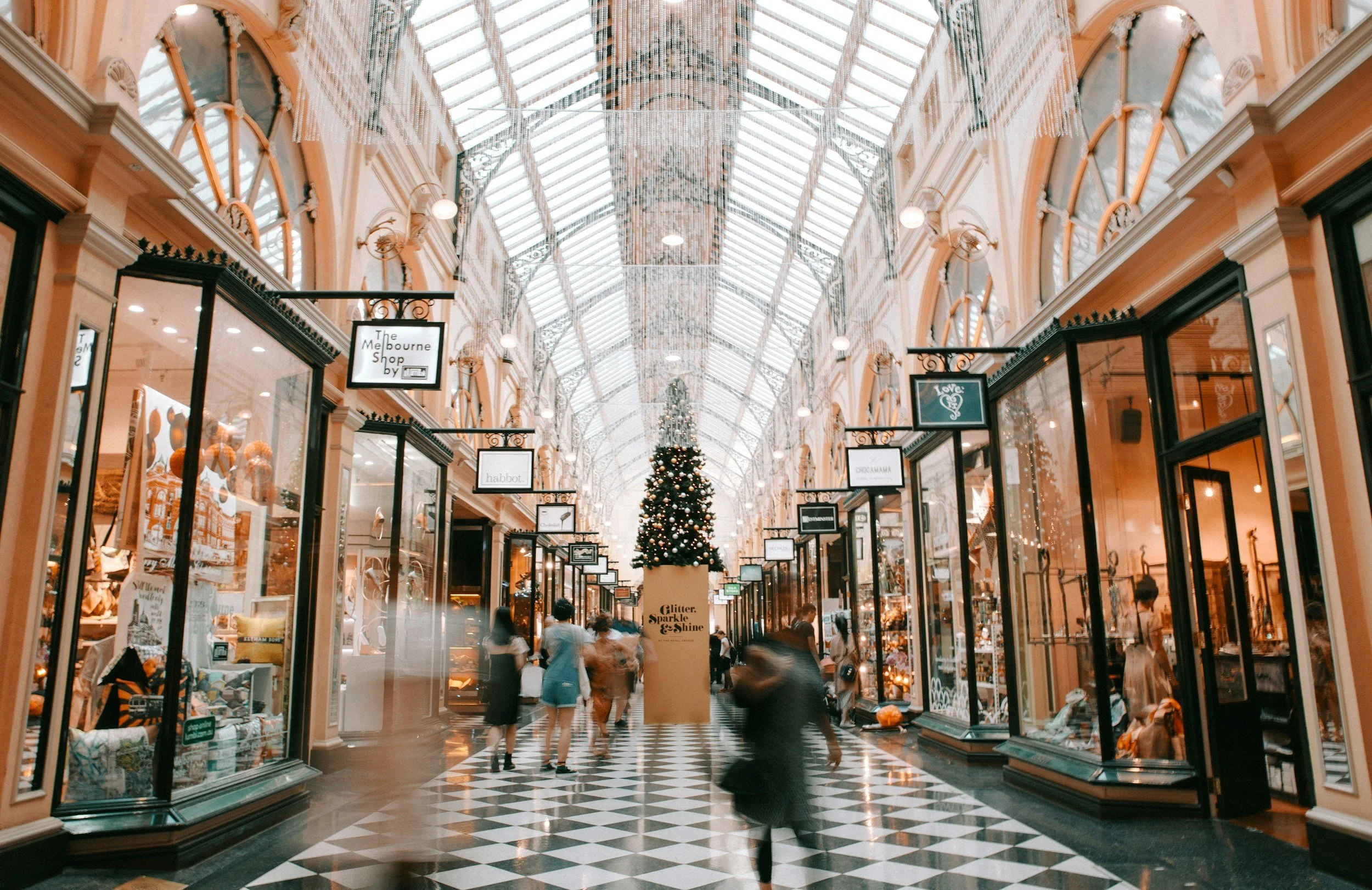
How legacy retail is being reborn as cultural playgrounds, not clearance destinations.
There's a moment that happens in every retail transformation when the question shifts from "How do we survive?" to "What are we building?"
That moment is happening now. And it's rewriting what a "heritage brand" actually means.
According to VML's Future 100: 2026 report, the research that shapes strategy across 16 global markets, we're witnessing something unprecedented: the simultaneous resurrection of classic retail brands and the complete reinvention of physical store spaces. Not as stores. As landmarks. Playgrounds. Temples of identity.
For brands like Hawes & Curtis, the 140-year-old British menswear institution that Touker Suleyman resurrected and transformed, this isn't nostalgia. It's architecture.
The Two Races Running in Parallel
The retail landscape in 2026 is splitting into two distinct tracks, each moving at opposite velocities.
One race is the race for invisibility, where algorithms make decisions, AI agents restock your pantry, transactions dissolve into the background. This is the future of efficiency. It's necessary. It's coming.
The other race is the race for immersion.
And it's where every serious brand with heritage, authenticity, and story is sprinting.
VML's data shows that 86% of consumers are actively seeking experiences that inspire awe or shift their worldview. Not discounts. Not convenience. Transformation. They want retail spaces that make them feel changed.
This is where heritage brands hold an unfair advantage. They come pre-loaded with narrative. Hawes & Curtis isn't just selling shirts. It's selling 140 years of British craftsmanship, the story of a brand that survived wars, social upheaval, and the rise of fast fashion, and refused to become irrelevant.
The question is no longer:
"How do we compete with e-commerce?"
It's: "How do we make our physical space so culturally significant that people visit it the way they visit museums?"

Next-Gen Malls: From Transaction Hubs to Cultural Ecosystems
The shopping mall is dead. Long live the cultural playground.
Next-gen malls: the physical destinations emerging in 2026, aren't being built to move product. They're being built to move people. To tell stories. To create moments.
Retailers are reimagining retail space not as stores, but as landmarks and experiential hubs that provide infinite reasons to visit. The most exciting destinations blend commerce with art, wellness, and community while striving to engage all of the senses and take people on a journey.
The store becomes a living chapter in the brand's story, a form of world-building where every detail contributes to a narrative ecosystem.
This is where the heritage paradox resolves itself.
A 140-year-old brand doesn't need to reinvent its story. It needs to inhabit a space worthy of it. When Touker Suleyman talks about technology as "an overhead" — and he's right — what he means is this: tech should serve the story, not the story serve the tech.
What does Hawes & Curtis's story demand?
Craftsmanship.
Precision.
British heritage captured in fabric and fit. That story doesn't belong in a generic mall. It belongs in a space that feels like its own world.
Heritage Reboot: The Credibility That Can't Be Faked
Here's what VML found: consumers are exhausted by manufactured authenticity.
In an age where AI can generate anything, where new brands can fake heritage with a sepia-toned Instagram filter and some vintage typography, real history has become a luxury good. Not because it's rare. Because it's true.
This is the "Heritage Reboot" trend. It's not about preserving the past. It's about letting the past inform the future in ways that no startup can replicate.
Hawes & Curtis didn't just survive. It was rescued by someone who understood that a 140-year legacy isn't baggage, it's ammunition. A brand that has survived two world wars, the rise of fast fashion, the digital revolution, and consumer indifference has earned something that pure digital natives never will: credibility born from actually being here.
The heritage reboot isn't nostalgia marketing. It's structural authenticity.
When VML surveyed 16 markets, they found that brands operating in the immersion race, the one competing on experience, not price, are leaning heavily into what's irreplicable: history, craft, community connection, and human narrative.
A new shirt from a heritage brand isn't just clothing. It's a thread in a story that started 140 years ago and is still being written.
Where the Two Collide: The Next-Gen Hawes & Curtis
Now imagine a Hawes & Curtis store — not as a shop crammed onto a high street, fighting for footfall against fast fashion chains.
Imagine it as an anchor in a next-gen mall. A space designed not to sell shirts, but to celebrate the idea of a well-made shirt. A space where:
The walls tell the brand's history — not as plaques, but as immersive storytelling
Workshops happen — live tailoring, fabric education, craftsmanship rituals
Community gathers — a third place between home and office
Real human expertise is the product as much as the clothing
This is what next-gen retail looks like for heritage brands. The mall becomes a cultural playground. The store becomes a temple. The product becomes part of a larger narrative about who you are and what you value.
And the algorithm? It's invisible in the background, anticipating your needs without demanding your attention.
The Dual Reality Retail Demands
Touker Suleyman understands something that many retail leaders are still struggling with: you have to serve two worlds at once.
The world of AI agents and invisible transactions. And the world of human connection, awe, and meaning.
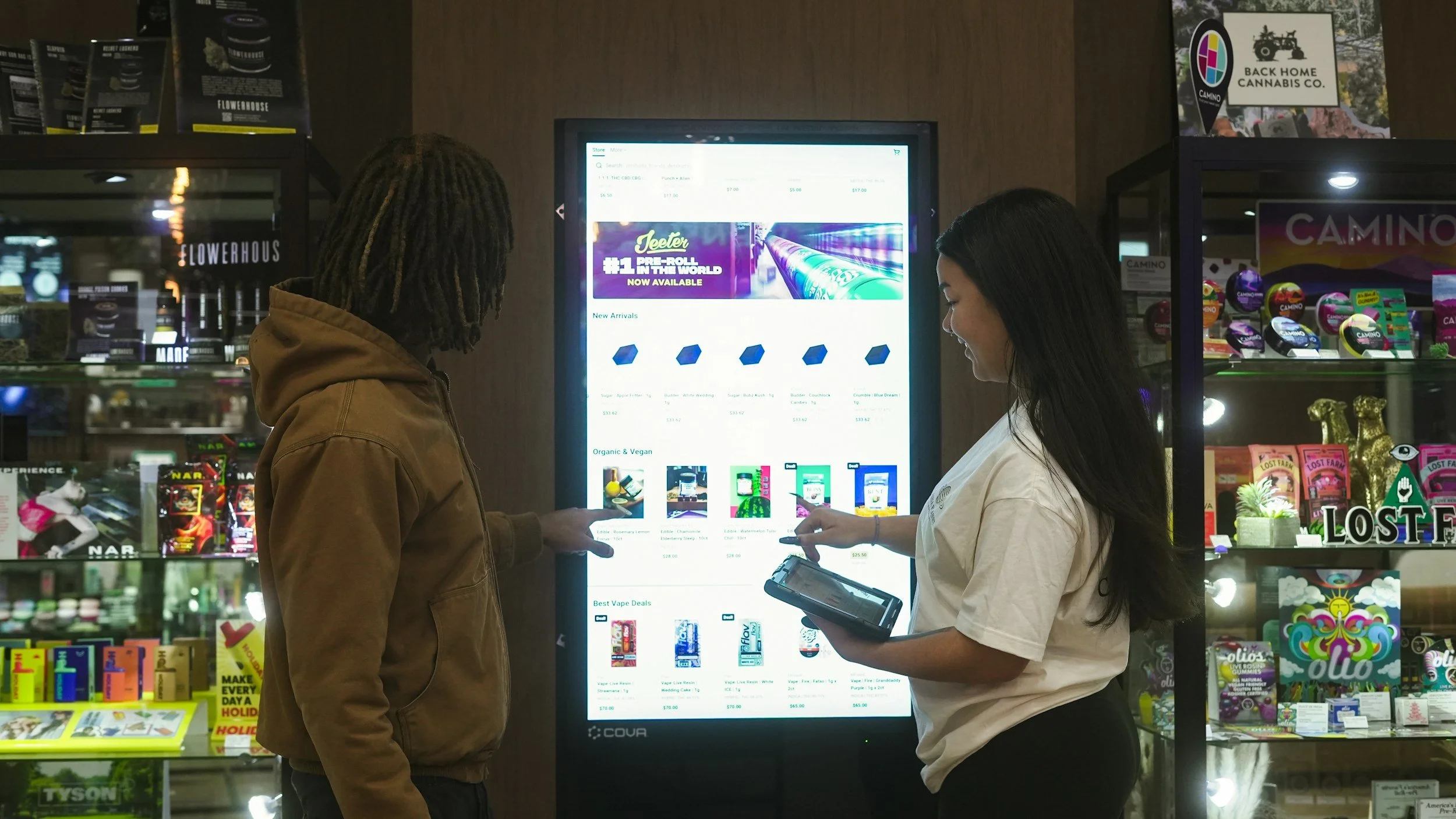
Brands that win in 2026 aren't choosing between them. They're mastering both.
On the digital side: data-driven, frictionless, anticipatory. The technology that lets you be found when you search. The customer loyalty program that knows you so well it feels like magic. The supply chain that understands demand before it happens.
On the physical side: visceral, immersive, deeply human. The space that tells your 140-year story in 4,000 square feet. The community gathering place that can't exist on Instagram. The experience that leaves people feeling changed.
What This Means for Brands — And Retail Leaders — Right Now
If you're leading a heritage brand, 2026 is the year to stop defending the past and start architecting the future using the past as your foundation.
The brands winning in the immersion race are those that understand: physical retail isn't dying. It's evolving. The destination retail of 2026 isn't competing with online shopping. It's offering something algorithms can't: meaning, transformation, and proof that some things are worth visiting in person.
For retail leaders navigating this dual reality:
Stop thinking like a store, start thinking like a destination. What story does your heritage tell? How does that story demand a space? What experience would make that story real?
Technology serves narrative, not vice versa. The question isn't "How do we use AI to sell more?" It's "How do we use AI to better serve the customer's journey through our story?"
Immersion is the moat. In a world where price, product, and even brand are increasingly fungible, the only thing you can't replicate is a space designed from first principles around human meaning-making. A next-gen mall anchored by a heritage brand isn't a transaction hub. It's a pilgrimage site.
The Year Retail Gets Its Groove Back
2026 is the year retail stops competing on what's easy to copy and starts competing on what's impossible to.
For Hawes & Curtis, for Ghost, for every heritage brand that survived the onslaught of fast fashion and digital disruption, this is vindication. Your story wasn't irrelevant. It was just waiting for the world to remember that humans still crave authenticity, craftsmanship, and meaning.
The race for immersion is on. And the brands with 140 years of credibility? They're starting from a very different place than the brands launching today.
Ready to Build Your Cultural Destination?
At Odinin, we help heritage brands and retail leaders architect this transition. We understand the paradox: how to honor the past while building radically for the future. How to make immersion strategy. How to turn legacy into advantage.
