How to write a winning product description (with examples)
Want to write product descriptions that actually sell, but not sure what “best-in-class” really looks like in practice? This guide is for you. Here, you’ll find 8 eCommerce copy examples from well-known brands, plus a breakdown of exactly what to include if you want your own product descriptions to work harder.
If you’re trying to craft persuasive product copy but don’t quite know what “great” looks like, learning by example is the fastest route. In this article, we’ll walk through 7 core ingredients of a high-performing product description for D2C brands and retailers, illustrated with 5 real-world examples from different categories.
Why product descriptions matter more than you think
A product description is a piece of marketing copy that explains what a product is, how it works, and why it deserves a place in your customer’s life. Studies show that roughly 70% of online shoppers say product content alone can be the deciding factor in whether they buy or bounce. That’s a huge reason to start treating product descriptions as a strategic asset, not an afterthought.
Beyond simply “describing” the product, this is your moment to show customers that you genuinely understand them. A strong description reflects their priorities, mirrors their language, and shows that you get their lifestyle and frustrations. When you use your brand voice to speak to their world, you build rapport first and only then position your product as the natural solution.
At the same time, your product description is prime SEO real estate. Use this space to answer common questions, pre-empt doubts, and help shoppers imagine exactly how the product will fit into their day-to-day lives. Selling a coffee machine? Don’t just talk about pressure and temperature; reassure them that it’s quick to set up and easy to clean, so it won’t become a chore. Addressing these points can help you win rich results like featured snippets and weave high-intent keywords into your copy. With the right research, your product detail pages can become a powerful magnet for organic traffic.
Yes, it’s work. But when you nail your product descriptions, the payoff is meaningful: more relevant traffic, higher conversion rates, and happier customers.
Ready to see how it’s done and what to include? Let’s walk through the essentials of eCommerce product description best practice, using real examples along the way.
Features vs benefits

A standout product description doesn’t stop at “what it is.” It explains why that product matters to the person reading. That means going beyond features and translating them into benefits.
Features are the factual details: specifications, materials, functions.
Benefits explain what those features do for the customer – how they solve a problem, remove friction, or improve everyday life.
Some quick examples:
Product: Rucksack
Feature: Wide, padded shoulder straps
Benefit: Carry more without sore shoulders or back pain at the end of the day
Product: Dress
Feature: Sustainably sourced silk
Benefit: Feel luxurious and look polished, while still making a responsible choice
Product: Wristwatch
Feature: Automatic time adjustment
Benefit: Never have to remember to change the time again – always be on schedule
Product: Phone
Feature: High-quality camera
Benefit: Capture sharp, vibrant photos without needing a separate camera
Put differently, customers rarely want the object itself – they want what it enables. As Theodore Levitt famously pointed out, people don’t really want a quarter-inch drill; they want a quarter-inch hole. The drill is just the vehicle.
The same applies in eCommerce. People aren’t buying a Ferrari; they’re buying speed, status, and a feeling. They’re not just buying a coat; they’re buying warmth, confidence, and style. Product descriptions that connect features to benefits tap into this emotional layer, deepen the connection with the shopper, and make a purchase feel like an easy, natural next step.
An example in action
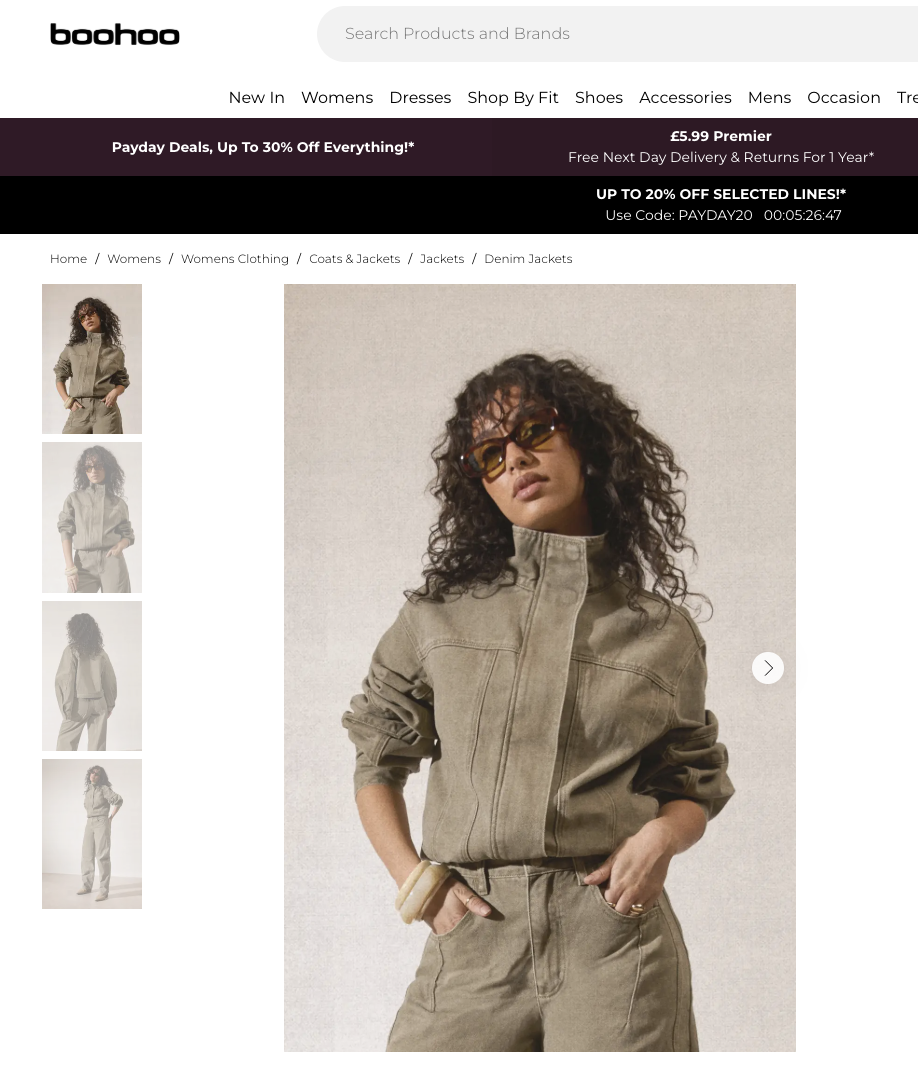
Take this kind of copy for a fashion product like a jacket
“This funnel-neck jacket combines structured denim with contemporary proportions for a cool, everyday look. The cropped cut flatters the waist, while the seam detailing adds interest without sacrificing comfort. Pair it with the matching trousers for a utility-inspired co-ord, or style it with straight-leg jeans and trainers for weekend plans. Ideal for in-between seasons, it layers easily over a tee or light knit – perfect for brunches, city breaks, or casual coffee dates when you want to look put-together with minimal effort.”
This description does several things at once:
Uses relevant search terms naturally (e.g. funnel neck, cropped silhouette, denim jacket), supporting discoverability.
Balances concrete details (fabric, cut, layering options) with lifestyle language that helps the shopper imagine when and how they’ll wear it.
Highlights benefits: flattering shape, easy to style, versatile across occasions, “effortless” cool.
In other words, it turns a simple jacket into a useful, aspirational wardrobe staple in the customer’s mind. That’s exactly what effective eCommerce copy aims to do: blend clarity, search-friendly language, and emotional appeal so shoppers can instantly picture the product in their own lives.
2.Understand your audience’s pain points
A powerful way to surface compelling benefits is to start with one simple question:
What exactly is frustrating my customer right now?
Imagine you’re a shopper looking for cosmetics. You wear makeup often, but you’re still experimenting and feel a bit unsure. You love how contour looks on other people, yet on your own face it never quite lands. It goes on streaky, feels greasy, or looks patchy by the end of the day. You suspect the shade isn’t quite right for your skin tone, so it never really looks “natural” but with so many options on the market, it’s hard to know what to trust.
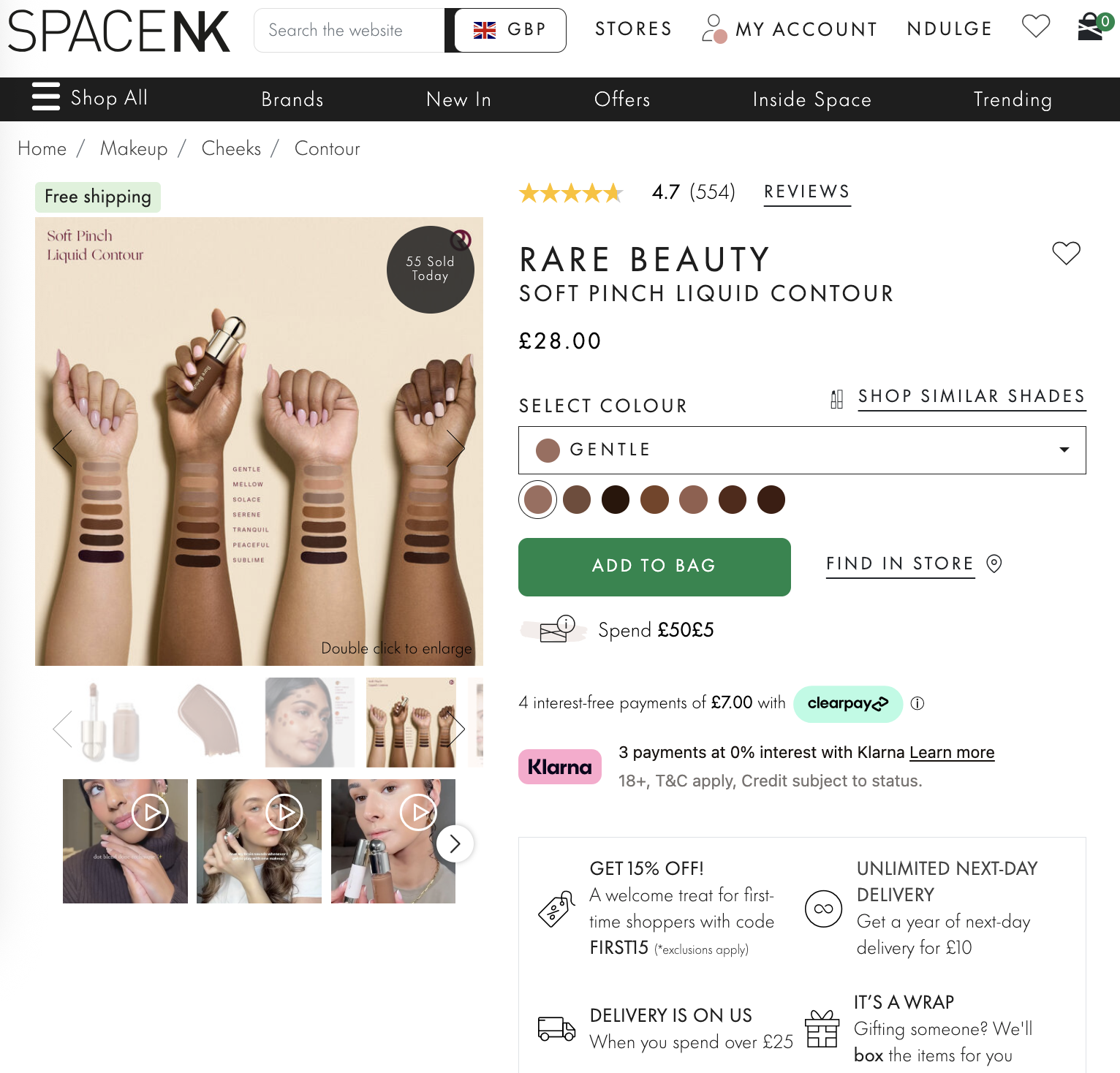
Now picture that person landing on a liquid contour product page that directly speaks to those worries. A great description for a product like this might read something like:
“Lift and define your features with this lightweight liquid contour, designed to flatter a wide range of skin tones. The silky, buildable formula blends seamlessly along the jawline, cheekbones, forehead and nose for a soft, natural-looking shadow that mimics real dimension.
With a streak-free finish and comfortable wear that lasts from morning to night, this contour won’t turn muddy, cakey or patchy as the day goes on. Available in multiple shades created with undertones in mind, it’s easy to find a match that looks like your skin – just a little more sculpted.”
Then, below the main copy, a clear bullet list of benefits:
Creates a subtle, lifted effect for everyday wear
Easy-to-blend liquid texture that layers under or over makeup
Formulated to avoid streaks, greasiness and patchiness
Long-wearing pigments designed for all-day use
Shade range developed to suit different skin tones and undertones
Why does this work so well? Because it mirrors the customer’s internal monologue.
Worried it won’t look natural? The description leans on phrases like “natural-looking shadow”, “real dimension” and “looks like your skin”.
Frustrated that contour fades or breaks up by midday? The copy calls out “all-day wear” and “won’t turn muddy, cakey or patchy”.
Each line ties a feature (buildable formula, long-wearing pigments, shade range) to a specific pain point (unnatural finish, poor longevity, hard-to-match colour) and then flips that into a reassuring benefit.
When you write your own product descriptions, you can follow the same pattern:
List 3–5 concrete pain points your ideal customer has (e.g. “never lasts,” “doesn’t look natural,” “too complicated to use”).
Map each pain point to a product feature that solves it.
Turn that into a benefit sentence that sounds like something the customer would say they want.
If you think about your own products, what are two real pain points your customers regularly mention that you could start weaving into your descriptions?
3.Lean into your brand’s tone of voice
UX expert Jared Spool famously said that “product detail pages are the new homepage” and in 2025 this feels truer than ever. Not long ago, most visitors discovered a brand through its homepage, with only a smaller share landing first on a PDP. Today, that pattern has flipped: fewer sessions start on the homepage, while a growing share of shoppers arrive directly on product pages via search, social, and paid traffic. For many users, the PDP is now the first – and sometimes only – meaningful interaction they have with your brand.
That shift has big implications for copy. If your product pages have missing descriptions, generic text, or copy that doesn’t sound like your brand at all, you’re wasting a crucial opportunity. You can no longer rely on the homepage to carry all your brand storytelling. Your PDPs need to communicate who you are just as clearly as they explain what you sell. That means sharp, benefit-led, SEO-aware copy that still feels unmistakably “you” not something that reads like it was copied from a template.
Best-in-class product descriptions do three jobs at once: they highlight clear benefits, respond to customer pain points, and incorporate smart keyword strategy – all while staying fully in character with your brand voice. Whether your tone is playful, minimal, luxurious, or technical, consistency matters. A mismatch between your ads, PDPs, and the rest of your site can feel jarring and undermine trust.
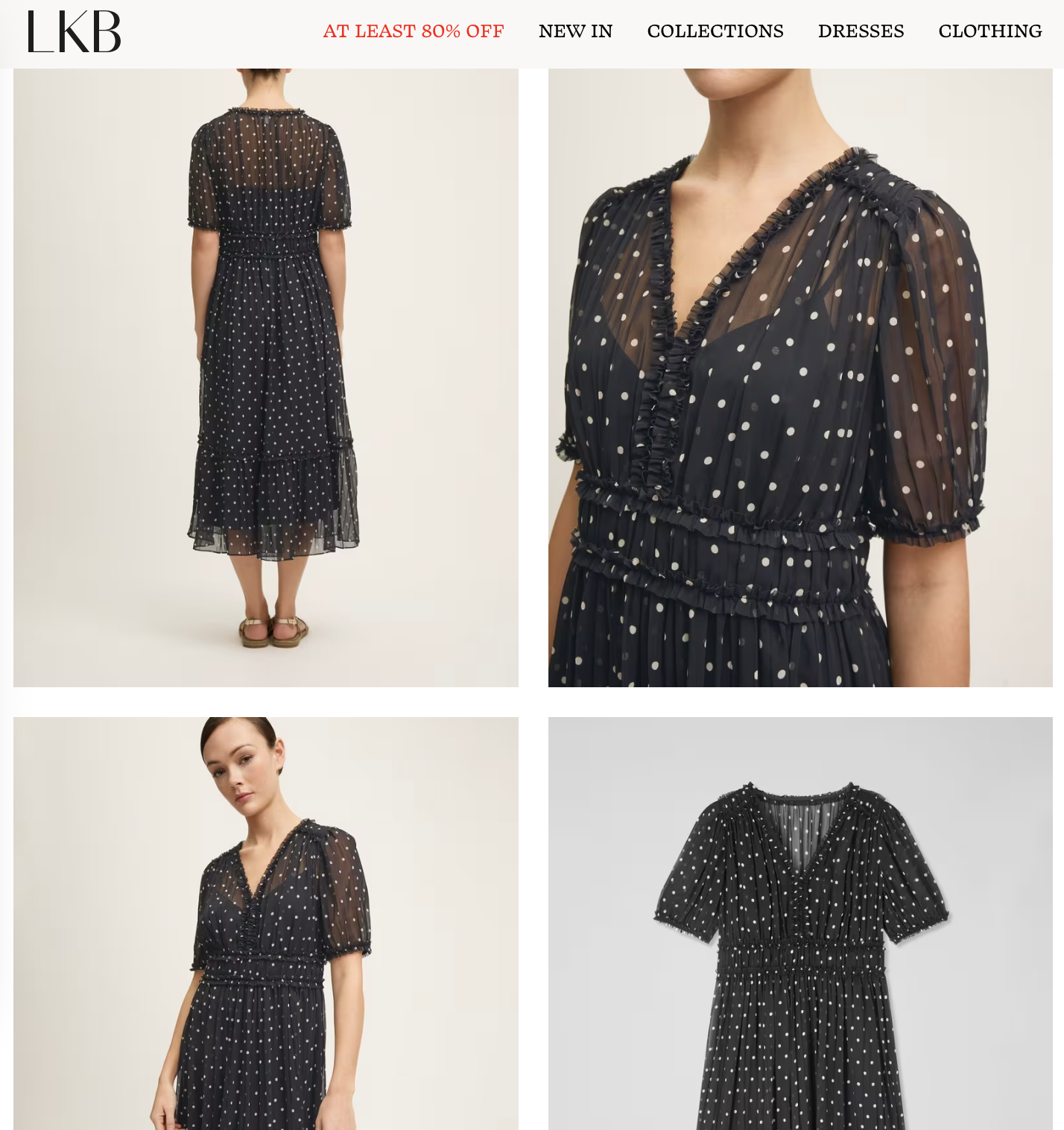
Imagine a luxury womenswear brand like LK Bennett. Their audience expects polish, confidence, and subtle glamour, so the writing has to reflect that. A product description for a polka-dot midi dress might read something like:
“The Gigi plissé polka-dot midi dress brings effortless elegance to any occasion. Crafted from recycled fabric, this black fit-and-flare style features softly pleated detailing, delicate frill trims and a refined V-neck with full-length sleeves. Complete the look with slender heels and a sleek clutch for an evening-ready silhouette.”
Notice how the language does the brand work. Words like “effortless elegance,” “refined,” and “evening-ready” place the dress firmly in a premium, occasion-driven context. The copy is descriptive enough to paint a picture, but still concise and easy to scan. It covers key details – cut, fabric, trims, how to style without slipping into overly casual or slangy phrasing that would feel off for a luxury label.
This is the core principle: your tone of voice is as much a part of the product as the material or fit. When your PDP copy consistently expresses that tone, your brand feels coherent and dependable, even to a shopper landing on your site for the very first time via a single product page.
Thinking about Odinin or your own brand: if you had to describe your ideal tone of voice in three words (for example “warm, expert, no-nonsense”), which three would you choose?
4.Educate your audience – when it actually helps
Your ecommerce copy should make customers feel confident about what they’re buying – that part is non‑negotiable. But the level of detail you go into should depend on who you’re talking to and what you’re selling. If your audience is already highly knowledgeable, too much basic explanation can feel condescending. On the other hand, if someone is buying simple, everyday essentials, they probably don’t want a mini textbook – they just want to add to basket and move on.
For many products that sit between those extremes, though, educational copy can be a real differentiator. If your brand has a strong USP, use your product descriptions to spell out exactly what makes you different. And if you’re talking to less experienced buyers, guiding them on how to use the product – and what to expect – can remove anxiety and build trust. As a copywriter or marketer, your job is to calibrate how much teaching your audience actually needs.
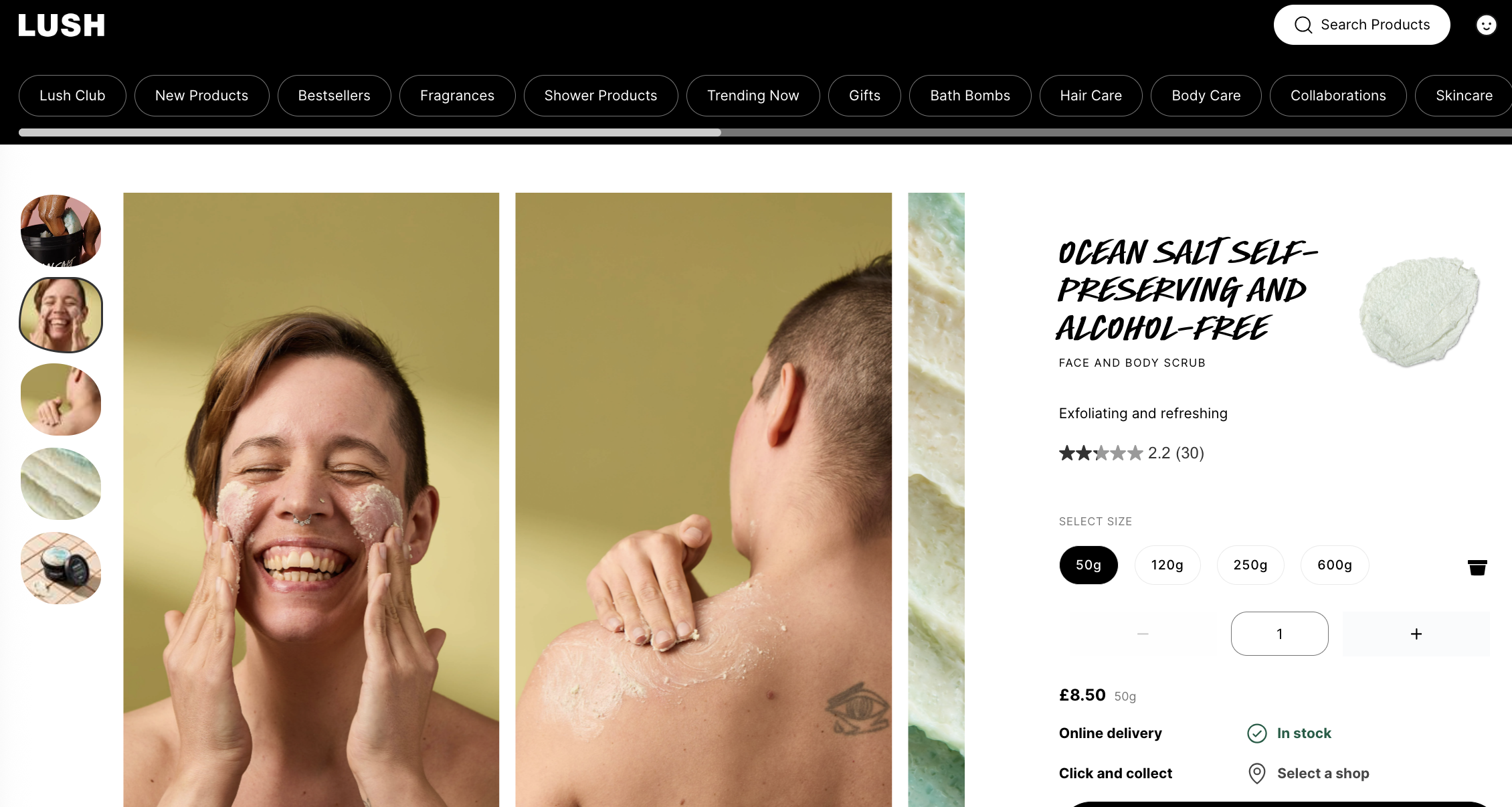
Take Lush’s Ocean Salt Face & Body Scrub as a great example of this approach.
Instant radiance - achieved the good old-fashioned way. If you’re using a chemical exfoliant, try this cult self-preserving skin cleanser instead - we’ve packed it with a bounty of beautiful ingredients to get your skin barrier in peak condition and removed the artificial preservatives into the bargain.
Ideal for complexions that feel shiny or dull, a blend of sea salt provides medium to strong buffing action to stimulate skin cell turnover, and deeply cleanse away dirt and pollution. As you scrub, deeply softening mango butter, coconut oil, glycerine and silken tofu leave your skin rejuvenated, glowy and smooth as silk. Softening and brightening, this self-preserving and alcohol-free version of our bestselling Ocean Salt has a slightly richer consistency than the original and still works wonders all over.
Leaving the world Lusher than we found it
Ocean Salt face scrub cleans up ecosystems as well as complexions! Our sea salt, harvested by hand and machine, helps birds find a place to rest, nest and feed. Sea birds love salt pans and our suppliers in Croatia, Spain, Turkey & Bulgaria make sure migrating birds have a safe and friendly place to stop over.
Using a physical exfoliator means you can control how intense your scrub is, so it matches your skin’s needs and you’re less likely to overdo it. Apply a generous amount to damp skin, massage gently in circular motions, then rinse off and follow with a nourishing moisturiser to keep skin comfortable and hydrated.
This kind of “How to use” section does more than give instructions – it quietly teaches the customer how to get the best results and reduces any anxiety about “using it wrong”. Lush knows its audience is environmentally conscious, so highlighting how a product supports healthier ecosystems (for example, by avoiding ingredients that harm marine life or seabirds) reinforces trust and aligns directly with their customers’ values. By educating shoppers, they show they care about the same things their audience cares about.
For Odinin, that same approach can be applied in a digital context: clearly explaining how to use your solution (or feature) in a short, practical way builds confidence, lowers friction, and gently moves users away from less transparent, “black box” alternatives.
If you were to add a short “How to use Odinin” block on a PDP or landing page, what’s the one step you’d most want a user to understand clearly?
5.But don’t teach your grandmother to suck eggs
Not every audience wants – or needs – a lesson. For some products, especially in technical or hardware categories, shoppers arrive with a clear understanding of what they’re buying and a checklist of specs in mind. In those cases, overly “educational” or flowery copy can feel like noise. What they really want is clarity, precision, and the facts laid out cleanly so they can compare options quickly.
Think about someone looking for a new hydraulic bottle jack. They already know the use case and safety considerations. They might be comparing tonnage, profile height, construction materials, or whether it works with a particular type of vehicle or machinery. Here, your job is not to explain what lifting is – it’s to show how your jack meets their requirements. That’s why a straightforward, spec-led description with clear features and applications is far more effective than poetic language.
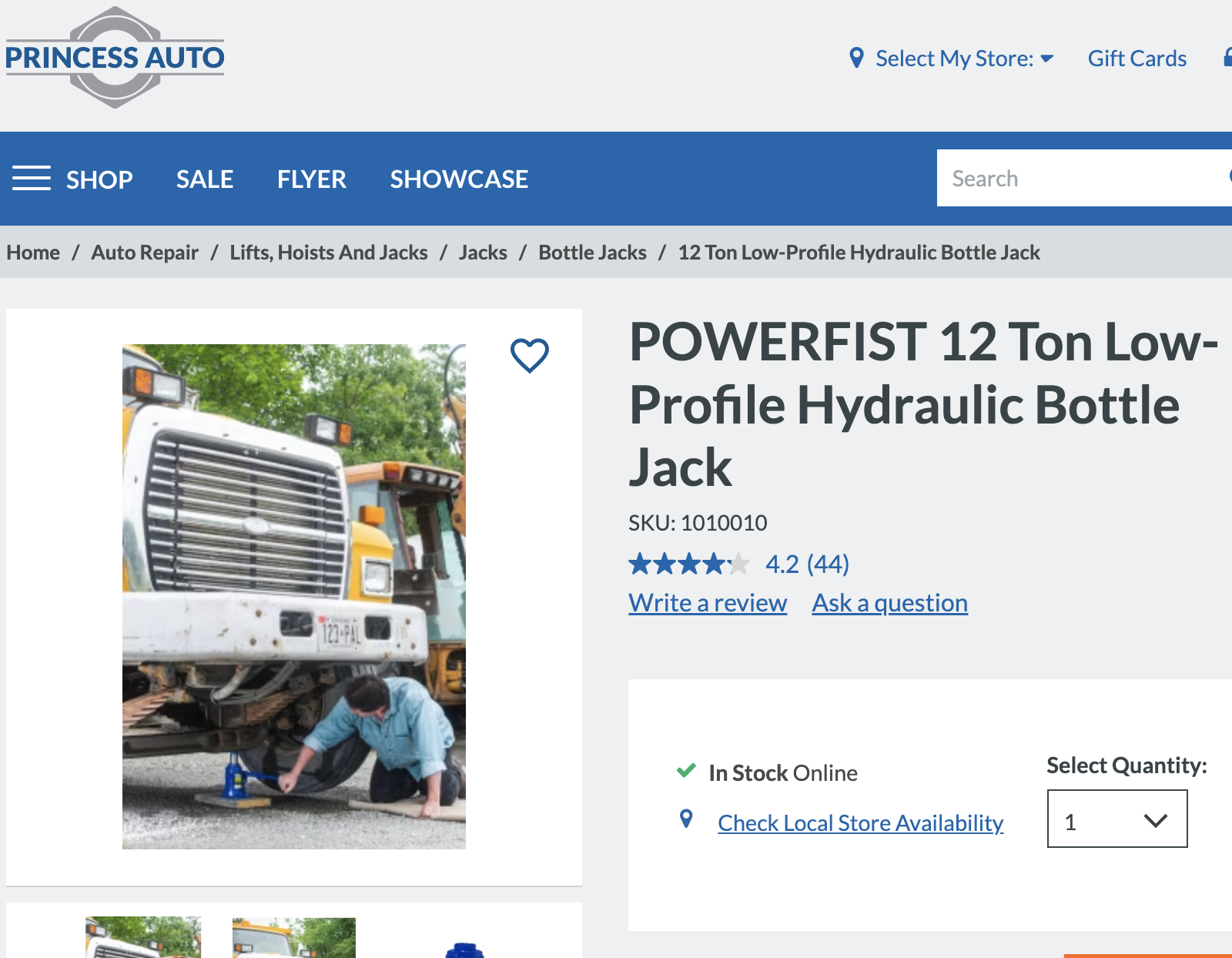
Here’s the example product description:
This 12 ton portable hydraulic bottle jack combines low-profile design with steel and cast-iron construction. The electrostatically painted finish and automatic oil bypass system provide dependable operation for demanding automotive lifting tasks
Followed by concise bullets for features and applications, for example:
Electrostatic paint finish for added corrosion resistance
Two-piece handle for easier transport and compact storage
Automatic oil bypass system for safer operation
Low-profile design for vehicles with minimal ground clearance
Steel and cast-iron build for high-capacity loads
Applications could then list use cases like low-profile vehicles, commercial trucks, industrial equipment and agricultural machinery. This style of copy respects the reader’s expertise, surfaces the information they care about, and still incorporates relevant keywords for search – all without unnecessary fluff. That’s exactly the kind of structure Odinin’s AI copywriter can generate at scale for technical catalogues.
6. Keep it scannable
Everyone is busy – including your shoppers. Even though around 90% of consumers say product content is very important when deciding what to buy, that doesn’t mean they’ll read every single line in detail. Instead, most people skim. That’s why the structure of your product description matters just as much as the words themselves: you need to make it effortless for customers to spot the key information quickly.
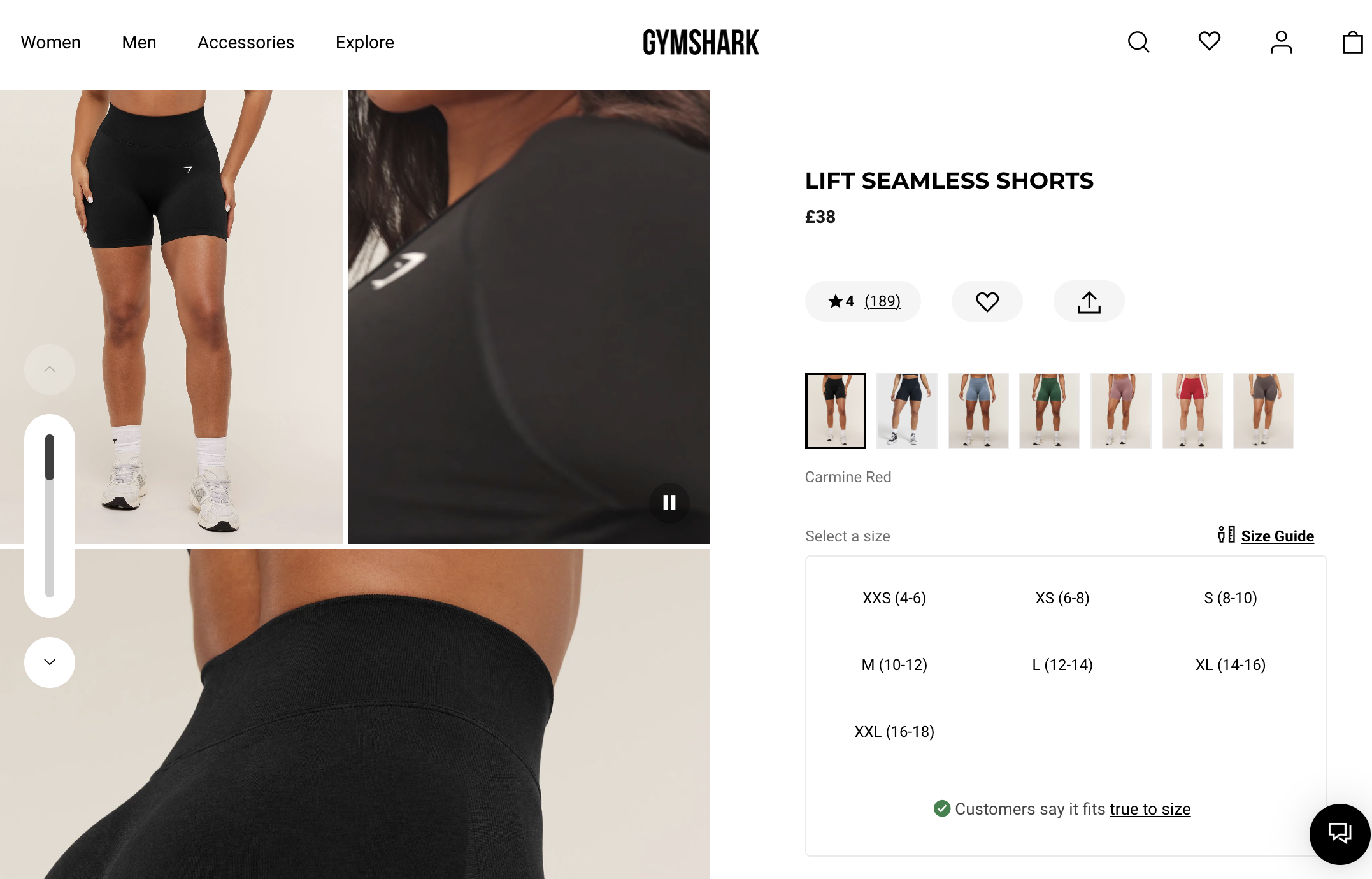
Here’s the product description example:
IT’S GIVING SNATCHED
Even the baddest of baddies needs a little lift sometimes. That’s why we designed our Lift Seamless collection to shape, cinch and snatch you in all the right places, so you can focus on getting s**t done. Periodt.
• Our best lifting shorts yet
• Unique design to lift & shape your glutes
• Sweat-wicking & breathable to keep you cool
• Waist-snatching waistband
• Rib knit structures for a little extra support
• Comfy, seamless design
SIZE & FIT
• High-waisted
• 4” inseam based on size M
• Model is 5'9" and wears size S
MATERIALS & CARE
• Main: 61% Nylon, 31% Polyester, 8% Elastane
• Seamless construction
This is a great example of why scannability matters for fashion too: shoppers want key details fast, without wading through a wall of text. Odinin would keep the structure (About this style, Details & care, Delivery…) but simplify the language and highlight what actually helps a customer decide.
The Lift Seamless description is a great example of how to keep product copy short, scannable, and totally on-brand. The tone is bold, playful and unapologetically confident (“baddest of baddies”, “getting s**t done, period”), which immediately speaks to a specific audience and makes the shorts feel like a mindset, not just a garment. At the same time, the copy is broken into neat bullet points and clear micro-sections (benefits, fit details, fabric breakdown), so shoppers can quickly skim for what matters most: lift, comfort, support, sizing, and materials.
From Odinin’s perspective, this is exactly the kind of structure that works at scale: punchy headline sentence to set the vibe, followed by tightly edited bullets that separate benefits (“lift & shape your glutes”, “waist‑snatching waistband”) from practical info (inseam length, model height, fabric composition). The result is a PDP that’s fun to read, easy to scan, and still rich enough in detail to support both conversion and search.
7.Address common search queries
Finally, let’s talk about SEO keywords and how they connect directly to what people actually type into search.
Short-tail keywords are broader terms, usually one to three words, like “running shoes” or “AI copywriting”. They tend to have high search volume and high competition, and the intent behind them is quite general.
Long-tail keywords are longer, more specific phrases such as “AI-generated product descriptions for ecommerce” or “black leather hiking boots for men waterproof”. They usually get fewer searches, but the people using them know what they want and are much closer to buying.
For SEO, long-tail keywords are especially valuable because they attract highly targeted traffic and often convert better. Short-tail keywords are still useful, but they work best for things like category labels, meta data, and building overall brand visibility rather than capturing ready-to-buy searches.
Strong ecommerce product copy should weave in a mix of relevant short-tail and long-tail keywords, with a clear bias towards the long-tail phrases your ideal customers actually use. That might look like using the broader term in the title, while naturally placing specific phrases (colour, material, use case, audience) in the first 2–3 sentences of your description and bullets.
This is exactly the type of pattern Odinin helps teams spot and scale: understanding what customers are really searching for, mapping those phrases to products, and then structuring titles and descriptions so they answer common queries without sounding forced or “stuffed” with keywords.
Thinking about your own catalogue, can you name one short-tail keyword and one long-tail keyword your best customers are probably using to find your products?
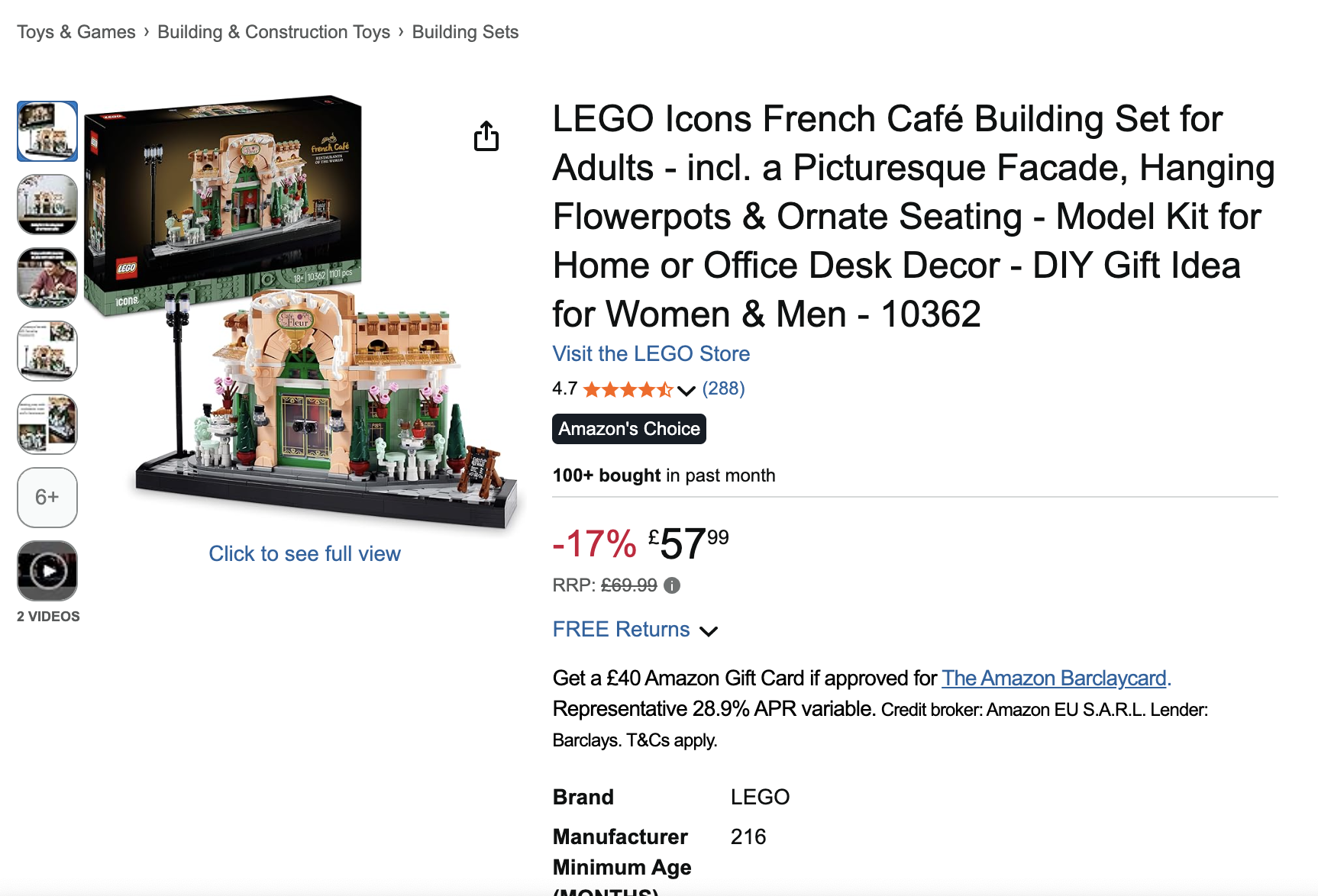
Take a look at this Lego set on Amazon for a brilliant example of a product description that addresses common search queries:
Collectible bistro model – Immerse yourself in the charm of French café culture with the LEGO Icons French Café building set for adults
In the box – This home office decor kit includes elements to build a classic French bistro with a facade, hanging flowerpots and ornate seating
A detailed model building set for adults – Open the double doors to reveal a small seating area with regal wallpaper and dark-wood furnishings
Bookshelf decor – Make a DIY desk decor for the home or office with a detailed model kit featuring a slim profile and flat back for shelf display
Gifts for coffee lovers – This LEGO set for adults makes a great anniversary gift for men and women, for fans of LEGO model kits, food and travel
3D building instructions – Build like never before with the LEGO Builder app where you can save sets, track progress, zoom in and rotate models in 3D
Welcome to the zone – Discover a space for relaxation with the inspiring range of creative DIY building sets (sold separately) designed specifically for adults
Lego’s product description is a strong example of keyword optimisation that still reads naturally instead of feeling stuffed or padded. It clearly answers “who is this for?” and “how will they use it?” by highlighting different use cases and audiences.
Phrases like “detailed model building set for adults” and “bookshelf decor” speak to hobbyists and design lovers, while references to “French café culture” and “food and travel” tap into travellers and lifestyle shoppers. Descriptors such as “anniversary gift for men and women” and “gifts for coffee lovers” then bring in high-intent gift buyers. Together, this lets Lego reach multiple segments within a broad audience, all from a single, well-structured description.
